Disclosure: this post contains affiliate links. Should you click an affiliate link and make a purchase, I may receive a small commission at no cost to you.
Whether you chose to exclusively pump or found yourself on this journey due to circumstances out of your control, it is important to be prepared if you want to have a long and successful pumping journey.
Here are six things that are essential to have during your journey and a couple items I think are not essential, but worth mentioning as they make things much easier.
1. A good, hospitable grade pump
The first and most important thing needed for exclusive pumping is a good, hospital grade pump. Although bulky, this pump is necessary to get your supply started, even if you do plan to use portable pumps for convenience.
I use the Spectra S1 Plus and love it! I used it for a good 80% of the milk pumped while exclusive pumping for my oldest daughter and still use the same one pumping for my twins. Click here to learn more about the pros and cons of the Spectra S1 Plus.

There are many other brands that have wonderful hospital-grade pumps. In order to find the one that works for you,
- Check with your insurance to see what pumps they will cover (if any)
- Determine your price point. A good hospital-grade pump will cost $200+, so plan accordingly if this isn’t going to be covered by your insurance.
- Do research online to compare pumps.
- Ask people who have pumped before what their preferences are.
2. Flanges that fit
This is where I struggled for the first half of my pumping journey with my first. The 24mm and 28mm flanges that came with Spectra S1 Plus were too big for me. I didn’t know any better but to use the ones that came with the pump, not understanding that I needed to size myself and then purchase flanges or flange inserts that fit.
It is very common for pumps to send flange sizes that are too large for most women because too-large flanges can be made smaller with inserts but too-small flanges cannot be made larger.
There are a few options for making sure you have the right size:
- Talk to your lactation consultant about getting sized
- Size yourself after doing the research
- Some exclusive pumping groups online and offer sizing services. Make sure they are a legitimate group before using this option though.
I chose to do the research and size myself; it was not too difficult. I found out I needed a size 21mm flange. I got Spectra’s 20mm ones but they were still too small. Then I found these Maymom flanges that have a wider selection of sizes and was able to get the 21mm that I needed.
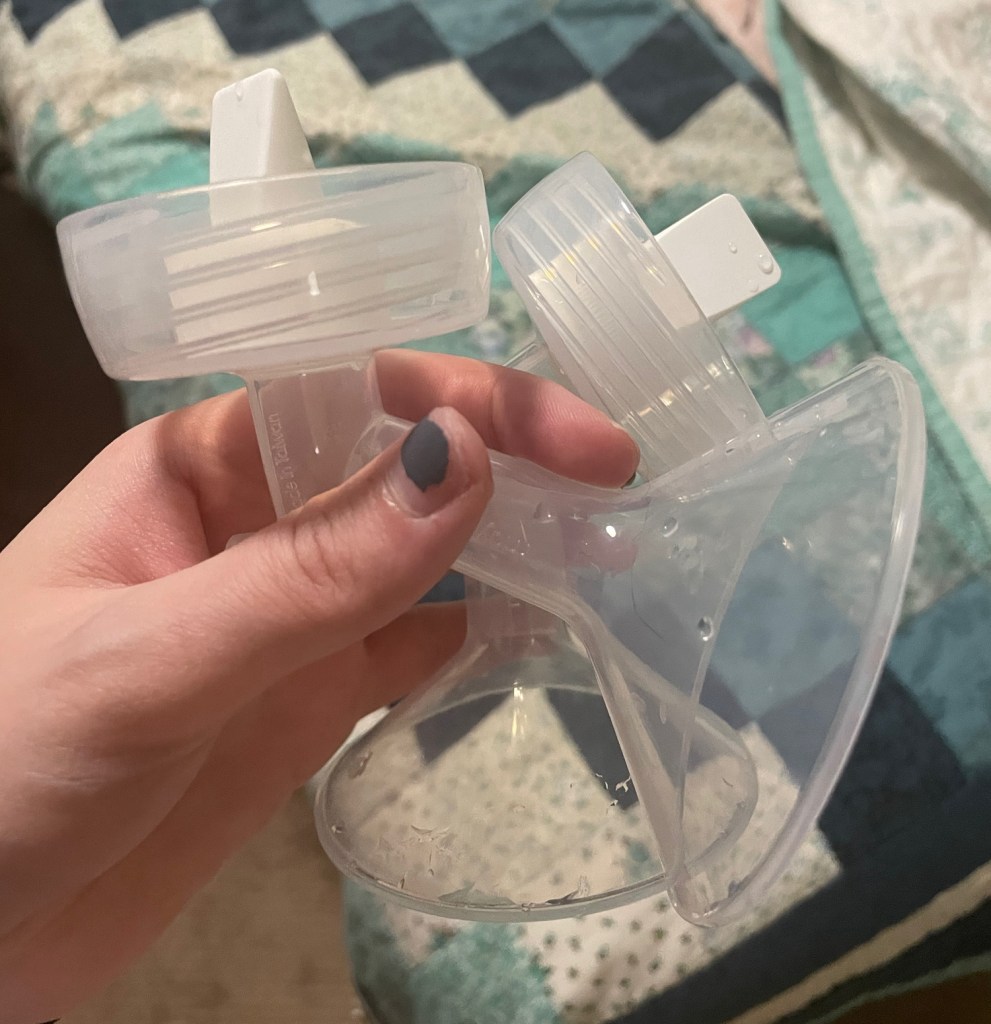
It’s important to note that your size can change during a pumping journey and can change from one journey to the next. Although I was a 21mm for my daughter, the 24mm is the perfect size pumping for my twins.
3. Bottles your baby likes
For my daughter, we tried 5 bottles before settling on the Dr Brown bottles. She had latching trouble, which is why I chose to pump exclusively. I think this latching issue carried over to her being very picky about her bottles.
The bottles we tried with her were:
- Philips AVENT Anti-Colic Baby Bottles with AirFree Vent
- Tommee Tippee Closer to Nature Baby Bottle
- Nenesupply Wide Mouth Feeding Bottle 9oz
- MAM Easy Start Anti-Colic Baby Bottle
- Dr. Brown’s Anti-Colic Breast to Bottle
However, both of my twins have shown no pickiness towards their bottle type. We just continued to use the Dr Browns bottles for the twins since that was what we were used to.
My suggestion is to not put all your eggs into one basket, when it comes to bottles, until you are sure your baby will like them.
The number of bottles you need depends on how frequently you wash them. For my eldest, we only washed bottles once or twice a day so we had 12 bottles.
4. A good bottle washing strategy
As an exclusive pumping mom, washing bottles will become second nature for you.
With my eldest, we washed them once or twice a day and then boiled them in a stockpot to sanitize every night. This worked well for one baby, but did get exhausting when we had a bad day.

My favorite bottle brush was this Munchkin® Bristle™ Bottle Brush. I liked that it didn’t have the sponge material that collects bacteria, it has a nipple brush built into the handle, and it suctions well to the sink or counter so you don’t accidentally knock it over all the time.
With my twins, it would be chaos if we only washed them once or twice a day. For them, I invested in the Baby Brezza Bottle Washer Pro and this was the best investment in preparing for twins. Now, I just rotate 4 bottles in the Brezza throughout the day. I also wash my toddlers cups in it.
5. Comfortable nursing bras/pumping bras
The difference between nursing bras and pumping bras is that nursing bras have a clasp that allows the cup to be pulled down to allow for access to the entire breast. A pumping bra has a hole for the pump to reach the nipple and allows for hands-free pumping. There are also many options for combination pumping and nursing bras.
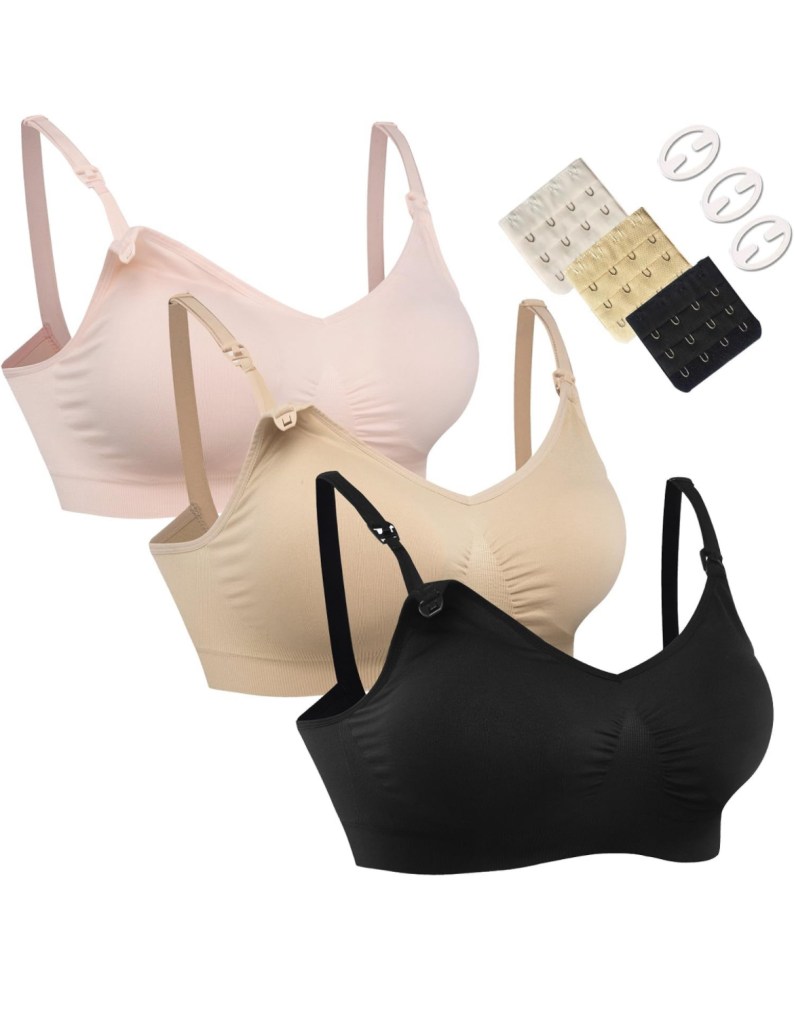
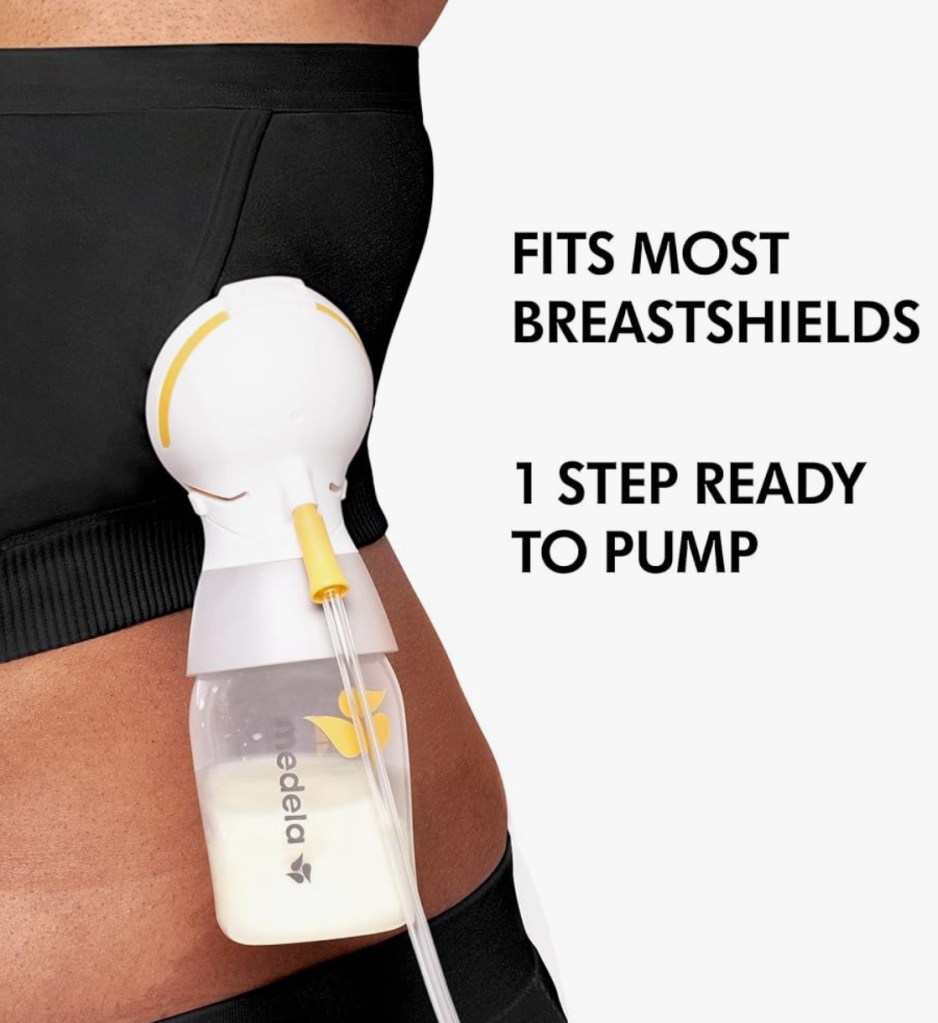
Here are the pumping and nursing bras I have used:
- Medela Hands Free Pumping Bustier
- HOFISH 3PACK Full Bust Seamless Nursing Maternity Bras
- GXXGE 4Pack Nursing Bra for Breastfeeding Maternity Bras
- Momcozy Nursing Bras for Breastfeeding
All of these bras worked great for me and were very comfortable. I removed the padding on the HOFISH and GXXGE bras because I wear cloth nursing pads in them anyways. The padding in the Momcozy bras is built in, but it is very lightly padded so I don’t feel “doubled up” on the padding when I wear my nursing pads.
Breast size may affect how comfortable nursing bras are for you. My breasts are on the smaller/medium side (34D), so it is easier to get a comfortable fit. If your bra is causing you discomfort, try a new brand! Lactating can be uncomfortable to begin with, you don’t want your clothes adding to that discomfort.
Lastly, when you buy your nursing bras, always size up. If you normally wear a small, get medium. If you normally wear large, get extra large.
6. Coconut oil
When you first start lactating, your breasts and nipples are very sensitive. For some women, this sensitivity can last for a long time.
I prefer using an organic coconut oil on the nipples before putting pumps on to help lubricate during pumping and it also helps moisturize the skin so it doesn’t get dry and cracked.
There are other options out there: nipple butters, pumping sprays, and lanolin, but coconut oil has worked the best for me and is the cheapest option.
Typically by the time my supply has regulated, the sensitivity has reduced enough that I do not need to use coconut oil every time I pump.
Nothing is worse than having a ruined pump part and nothing to replace it with. Additionally, it can be very difficult to find replacement parts at local stores. It is easier to have spare pump parts on hand for when they are needed.
How often should pump parts be replaced when exclusively pumping? It depends on your pump and your pump manufacturer should have recommendations in their manual, however, here are some general rules:
- Duckbill valves or valve membranes: once a month
- Backflow protectors: every 3 months
- Breast shields or flanges: every 6 months
- Tubing: when damaged or not functioning properly
8. Nursing pads
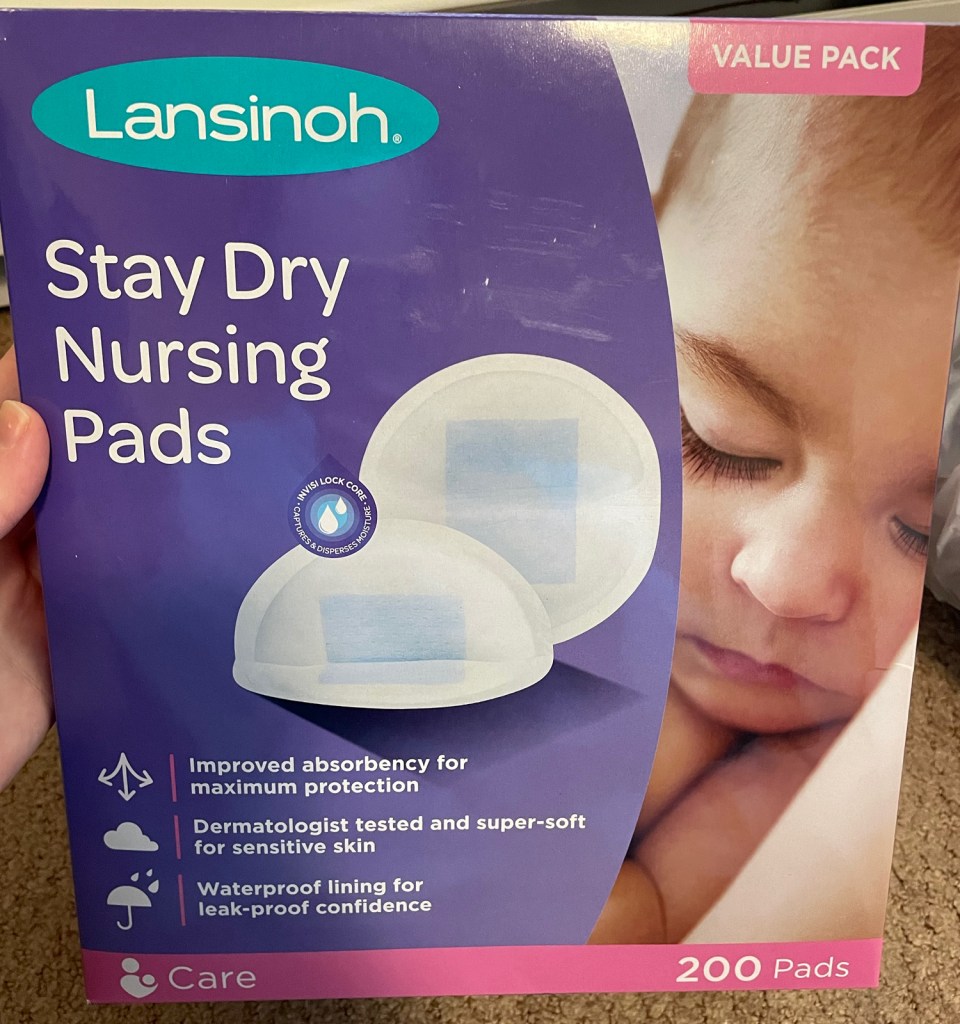
Nursing pads are essential to help keep you and your bra clean longer and in case you leak milk.
I prefer using reusable nursing pads that I can wash with baby clothes and burp clothes daily. There are also disposable nursing pads if you prefer those.
9. In-the-bra cups or portable pump (non-essential)t
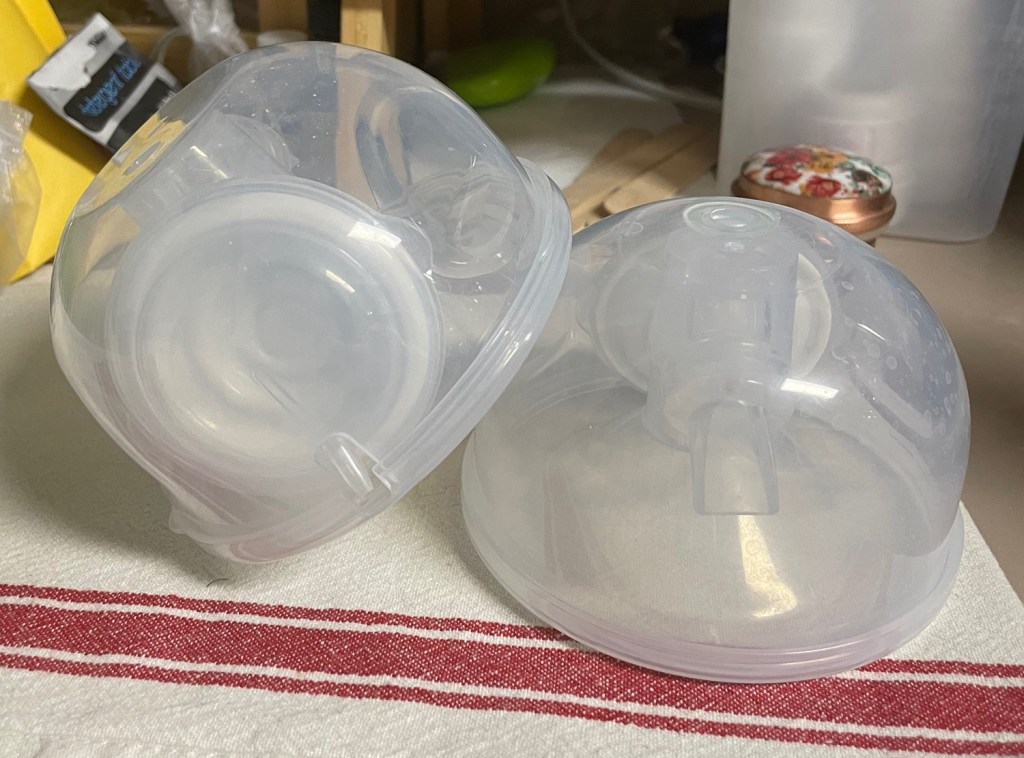
For convenience in multitasking while pumping, I recommend using wearable cups or using a portable pump.
The wearable pumps make it easier to hold and feed your baby while you are pumping, but still require being connected to the bulky pump so it is still hard to be very mobile. If you have a Spectra pump, you can purchase the CaraCups separately.
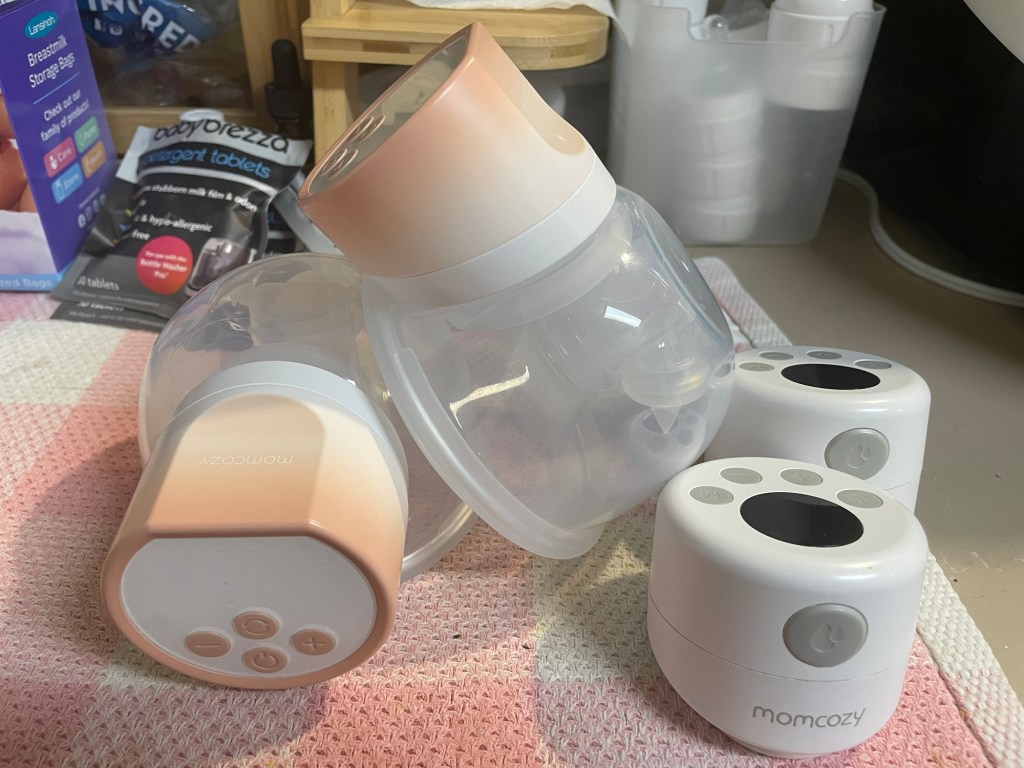
Portable pumps, like my favorite Momcozy S12 allow for mobility while pumping. They allow me to chase my toddler around, do light housework, and take care of the babies while I pump. I am able to do anything as long as I don’t have to bend forward, lay down, or move my arms too far in front of my body or over my head.
10. Multiple pump part sets (non-essential)
If you have only one set of pump parts, then you have to wash them after every use. With exclusive pumping, this can be up to 8-12 times a day at the beginning of your pumping journey.
Having multiple pump part sets means you can wash them few times in a day, but it will take you longer each time since you will have to wash multiple sets.
I have two sets of CaraCups for my Spectra Pump and three sets for my Momcozy portable pumps and this seems excessive to me sometimes because it takes up a lot of counter space.
My recommendation if you want more pump part sets is to get a second one. And determine if that is enough for your preferred washing habits. If not, keeping adding one more set until you feel comfortable with your routine.
I hope this gives you a good start to setting yourself up for a successful pumping journey.
 3 versus Me